Evenings that lead to quieter nights
Position, alcohol, and congestion are the 3 big dials. What each one does, what actually helps, and how to test 1 change at a time against your own trend.
Published Updated
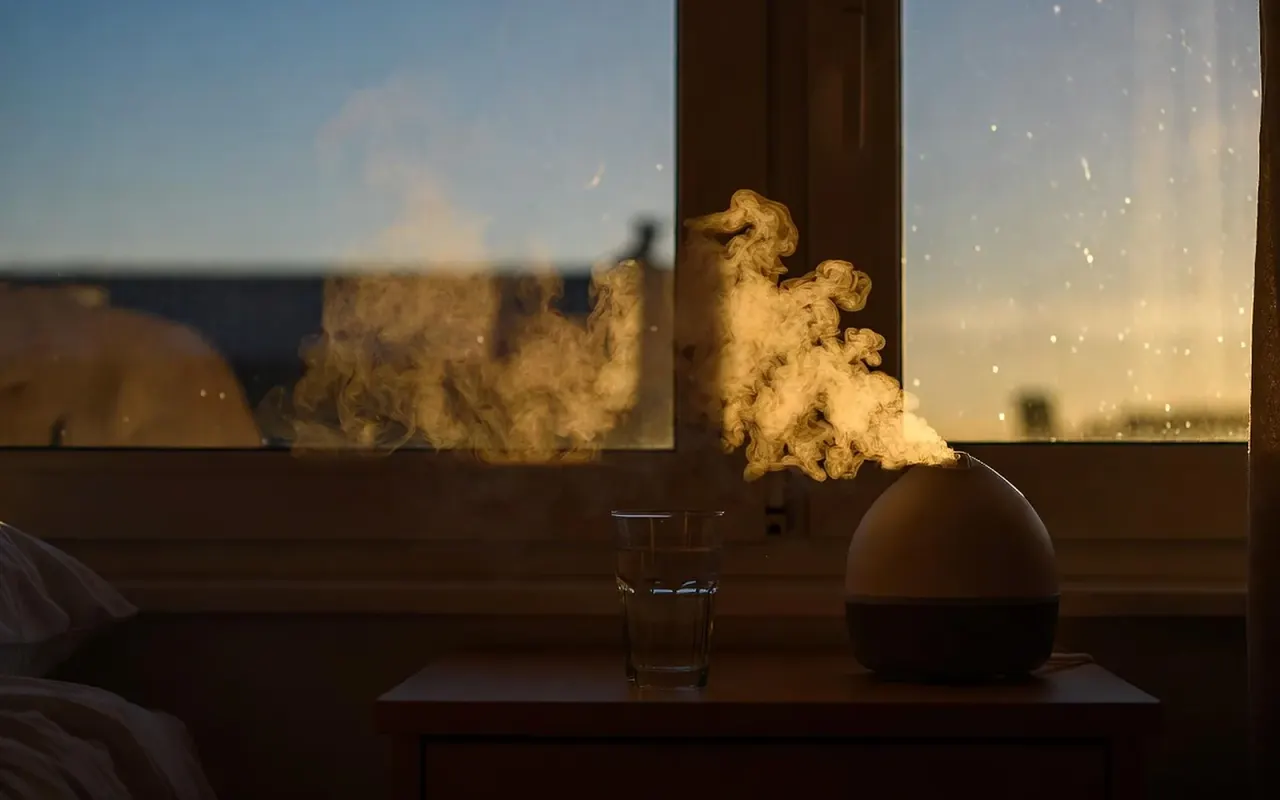
The night is mostly decided before it starts. By the time the light goes off, your position, your dinner, your drinks, and the state of your nose have already voted. That sounds fatalistic until you notice the flip side: these are all things you chose during the evening, which means they are all dials you can turn.
There are 3 big dials and a handful of small ones. Here is what each actually does, and a sane way to find out which ones matter for you.
Big dial 1: position
Gravity is the cheapest thing you will ever adjust. On your back, the relaxed tongue and soft palate settle backward into the airway and the night gets louder. On your side, the same tissue hangs clear. The mechanics are in how you breathe at night, and the practical question is simply how to spend more of the night on your side.
The classic tricks work by making the back position less available. A body pillow to hug, which braces you on your side. A firm pillow behind the back. The old tailor’s solution of a tennis ball sewn into the back of the pajama shirt, so rolling over prompts a shift without fully waking you. Raising the head of the bed a few inches with a wedge helps too, by improving the angle of everything.
None of this is elegant. All of it is testable, which is the point.
Big dial 2: alcohol
Alcohol is a muscle relaxant, and the muscles it relaxes include the ones holding your throat open. That is the loudness effect: extra slack, earlier collapse into flutter, more minutes of sound.
Then there is the sleep effect. A drink shortens the time to fall asleep, which feels like a win, and then the bill arrives. Alcohol suppresses dream sleep early in the night, and as the body clears it over roughly 4 to 5 hours, sleep turns light and choppy. The back half of the night fragments into wake-ups you mostly do not remember, which is why a night that started fast can still end feeling thin.
Dose and timing are the whole game. Within about 3 to 4 hours of bed, alcohol does its loudest work. The same 2 glasses at dinner at 6 write a different night than at 10. If you change nothing else all month, moving the last drink earlier is the single most measurable experiment in this article.
Big dial 3: congestion
A blocked nose reroutes you to mouth breathing, and mouth-heavy nights run louder and drier. Congestion has seasons, allergy spring and dry-air winter, and it has cheap countermeasures.
A saline spray or rinse before bed, made only with sterile or previously boiled water, opens the intake. A warm shower does some of the same work through steam. A clean cool-mist humidifier fixes the dry-room version of the problem, which is common all winter anywhere the heat runs; a bedroom humidity around 30 to 50 percent keeps the airway lining comfortable. Simple mechanical helpers exist too, like adhesive strips that widen the nostrils from outside. If allergies are the driver, managing the allergy manages the night, and that conversation belongs with a clinician.
The dry-air detail is easy to underrate. Heated winter air thickens mucus and irritates the airway lining, and irritated tissue swells. People who only snore in January are often measuring their furnace.
Every dial here shares a property: you can turn it tonight, and your own trend will grade it within 2 weeks.
The smaller dials
Four more, quicker.
Late heavy meals. A big meal near bedtime sits high and presses on the diaphragm, making night breathing less easy. Earlier and lighter helps.
Smoking. Smoke irritates and inflames the upper airway, and inflamed tissue swells and flutters sooner. The effect reaches beyond the smoker, since household members breathing the same air share some of it. Nights are one more thing on the long list of things that improve when smoking goes, and the trend gives that change somewhere visible to land.
Erratic schedules. Running short on sleep makes the eventual sleep deeper, and deeper sleep relaxes the throat muscles harder. That is why the first night home from an exhausting trip is often the loudest of the month. A steadier schedule spreads sleep out and quiets the rebound, and it is one more argument for keeping bedtime within the same hour most nights.
Gradual weight change. Tissue around the neck narrows the passage from outside, so weight is one of the levers the published sources list first. Slow change in either direction shows up, over months, in the trend. It is the longest dial on the panel, measured in seasons rather than weeks, and worth knowing about with no urgency attached.
The experiment mindset
Here is the method that turns all of this from advice into knowledge: change 1 dial at a time.
Pick the one that fits your life this month. Hold the change for a week, 2 if you can. Touch nothing else. Then compare the week against your own baseline, and read averages, never single nights, because nights vary on their own and one night is never the story.
The one-at-a-time rule is what separates knowledge from folklore. Change 3 things at once and get a quiet week, and you now own 3 habits, 2 of which may be doing nothing. Change the drink timing alone, watch the average move, and you have a fact about your own body that no article could have handed you.
If the line moved, you learned something about you, which is worth more than anything a general article can say. If it did not move, you also learned something: that dial is not your dial, and you can stop feeling guilty about it. Either way the experiment cost nothing and settled a question.
Then, if you like, pick the next dial. And when the evening dials are set, the slower, more durable versions live in daytime habits that lead to quieter nights.
What a good evening looks like
Putting it together, an evening tuned for a quiet night is unremarkable. Dinner on the earlier side. The last drink with dinner rather than after it. A rinse or a shower if the nose is doubtful, a humidifier if the air is dry. A bed set up to make your side the easy place to stay. The same lights-out as most nights, ideally at the end of a wind-down routine that actually works.
Nothing on that list is heroic, and no single item matters every night. What matters is that each one is a choice, each choice is measurable, and measured choices add up. Your trend is the honest lab. Run it.
And run it kindly. The goal was never a perfect score on a perfect night. It is a set of evenings you actually enjoy that reliably lead to mornings you actually like, discovered one honest experiment at a time. Some dials will turn out to be yours and some will belong to other people. Finding out which is which is the whole project, and it only takes a month of ordinary living to start.
Further reading
Questions people ask
What evening habits make for quieter nights?
Three dials move most nights: favor your side over your back, keep alcohol earlier and lighter, and clear the nose before bed. Position changes which way gravity pulls the relaxed tissue, alcohol adds slack that makes the airway collapse into flutter sooner, and congestion reroutes you to louder mouth breathing.
Does alcohol before bed affect snoring and sleep?
Yes. Alcohol relaxes the muscles holding the throat open, so nights run louder, and as the body clears it over roughly four to five hours the back half of the night fragments into wake-ups you mostly do not remember. Dose and timing are the whole game, and moving the last drink earlier is the single most measurable experiment you can run.
How do I tell which change actually helped?
Change one dial at a time, hold it for a week or two, and compare against your own baseline. Position and congestion tend to move a night-sound trend quickly. Changing several things at once tells you nothing about which one mattered.